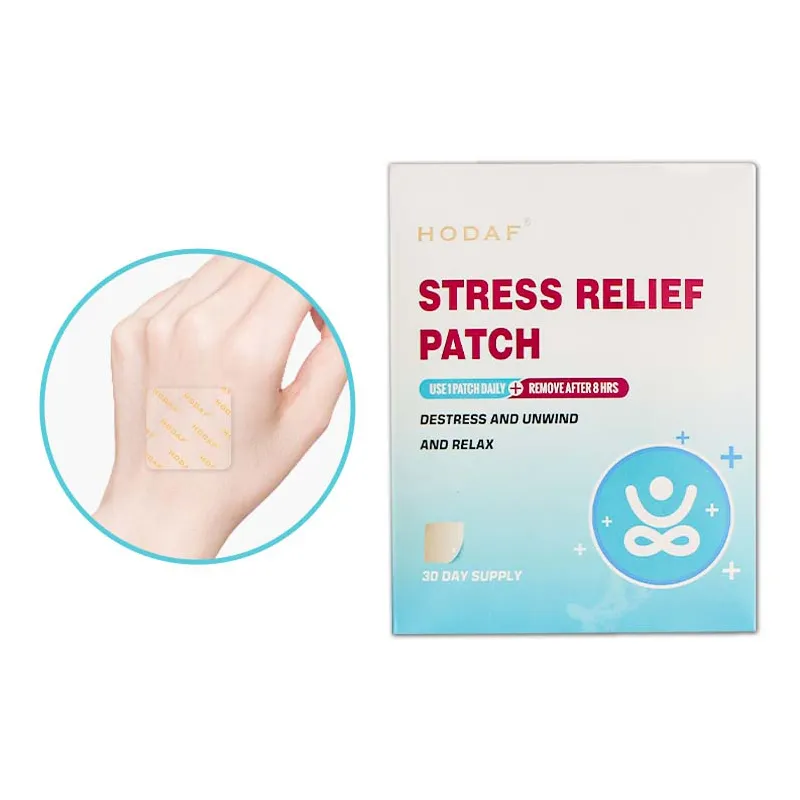
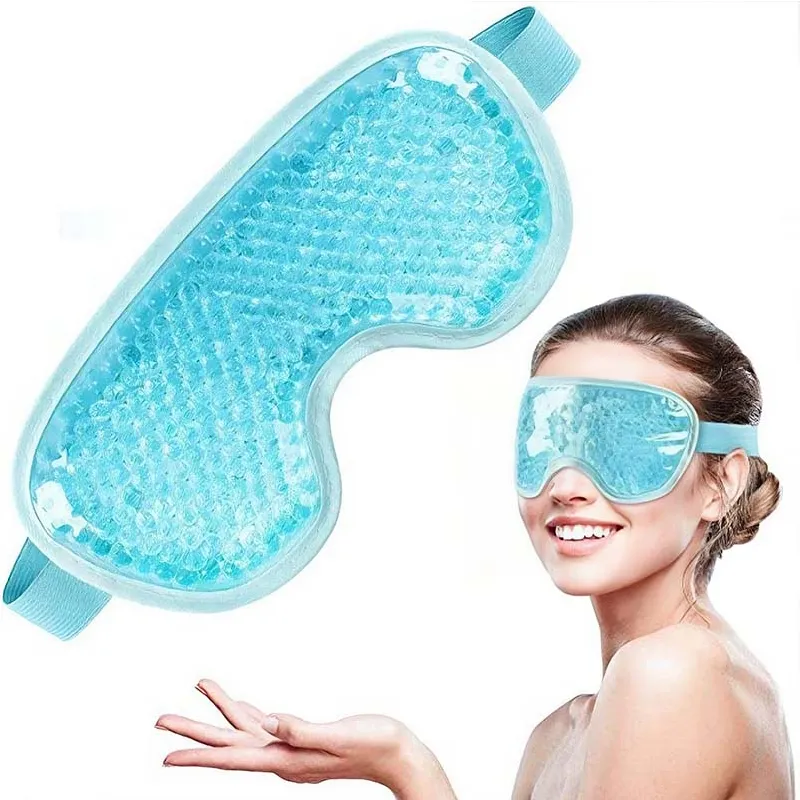
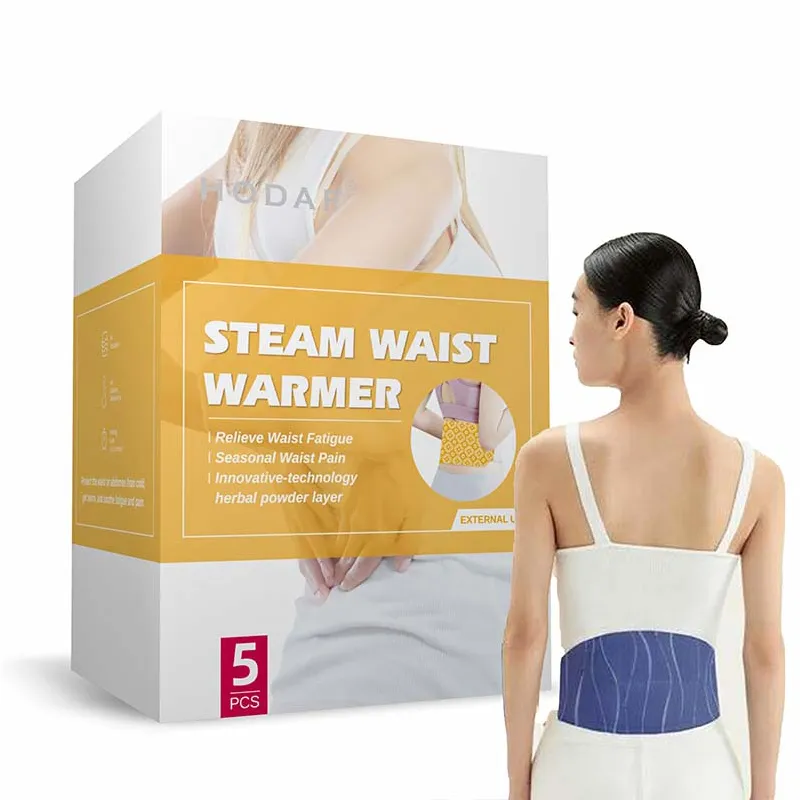
The global wellness and healthcare market is witnessing a massive shift. Consumers are increasingly moving away from traditional oral supplements—which often suffer from low bioavailability and digestive discomfort—and turning toward transdermal and topical patches. From advanced hydrogel cooling sheets and localized fat-burning patches to innovative vitamin and hangover prevention stickers, functional patches are the new frontier of wellness branding.
However, for a brand looking to enter this lucrative space, the biggest hurdle isn't marketing; it's finding the right manufacturing partner.
As a leading global supplier, Tianjin Hodaf Technology Co., Ltd. has put together this ultimate B2B guide to help you navigate the complexities of custom transdermal patch manufacturing, understand core technical matrices, and choose the right OEM/ODM partner.
1. OEM vs. ODM: Which Collaboration Model Fits Your Patch Brand?
When partnering with a contract manufacturer for custom patches, you generally have two paths: OEM (Original Equipment Manufacturing) or ODM (Original Design Manufacturing). Choosing the right one depends heavily on your team's formulation capabilities and timeline.
The OEM Route (Formulation Provided by You): If your company already has a patented formula, specific herbal blend, or active pharmaceutical/cosmetic ingredients, you need an OEM partner. The manufacturer acts strictly as your production arm, scaling your formula safely into mass production, sourcing raw backing fabrics, and handling cutting and packaging.
The ODM Route (Turnkey Solutions): If you have a brand concept (e.g., "I want to launch a trending hangover patch for my Amazon store") but lack a laboratory, you need an ODM partner. A comprehensive manufacturer like Hodaf provides ready-to-market, white-label, or custom-modified formulations that have already passed stability and safety testing, significantly shortening your time-to-market.
2. Deep Dive into Patch Technology: Hydrogel, Hot-Melt, and Steam Matrix
Not all patches are created equal. The choice of the matrix (the base carrier that holds the active ingredients and adheres to the skin) dictates the patch's efficacy, wear time, and user comfort.
When interviewing potential manufacturers, you must ensure they have the technical capability to process the exact matrix your product requires.
Comparative Matrix of Custom Patch Technologies
To help you make an informed decision, here is a technical breakdown of the three most sought-after patch technologies in the modern wellness industry:
Patch Type | Core Carrier Technology | Best Suited Applications | Customization Parameters |
Hydrogel / Gel Patch | Water-soluble polymer matrix with high water content. Provides an immediate cooling sensation. | Cooling gel sheets, cosmetic eye masks, localized pain relief patches. | Shape die-cuts, active botanical extracts, backing fabric fabric/colors. |
Hot-Melt Adhesive Patch | Solvent-free thermoplastic polymers. Features high initial tack and long-term skin adhesion. | Burning patches, hangover patches, CoQ10 plus energy patches. | Patch size (cm²), controlled release duration (8–12 hours), base color. |
Steam Generating Patch | Controlled exothermic oxidation of high-purity iron powder wrapped in breathable non-woven layers. | Steam eye masks, neck heating pads, menstrual cramp relief patches. | Temperature range (40°C–60°C), heating duration (20 mins–8 hours), custom essential oil scents. |
3. 4 Critical Metrics to Evaluate a Transdermal Patch Manufacturer
To avoid costly product recalls, weak adhesion complaints, or international customs delays, your prospective manufacturer must meet four stringent criteria:
① International Compliance & Certifications
Because wellness patches contact the skin for hours, they face rigorous regulatory scrutiny. Ensure your factory holds verified, up-to-date certifications. A reliable partner should freely provide copies of:
ISO 13485 / ISO 22716 (Quality Management Systems for Medical Devices and Cosmetics)
CE Declaration of Conformity (Crucial for the European Market)
MSDS (Material Safety Data Sheets) (Required for hassle-free international air/sea freight logistics)
② Adhesive Stability & Bio-compatibility
The number one reason consumer brands fail in the patch space is poor adhesive engineering. If a patch falls off within two hours, it's useless; if it tears the skin or causes red rashes, your brand faces legal and review nightmares. Look for factories utilizing medical-grade, hypoallergenic pressure-sensitive adhesives (PSA) and hydrogels that guarantee safe 8-to-12-hour adhesion without leaving sticky residues.
③ Production Capacity and Flexible MOQ
In B2B purchasing, balancing inventory risk with unit cost is a delicate dance. Ask directly about the factory's daily output and minimum order quantities (MOQ). While standard automated lines for custom printed packaging usually require an MOQ of 20,000 to 50,000 pieces per SKU, premier manufacturers offer tiered sampling and trial runs for established brands expanding their portfolios.
④ Raw Material Sourcing & Custom Packaging Capabilities
A true turnkey partner shouldn't just manufacture the patch; they should handle the entire presentation. Ensure they offer diverse backing options (stretchable non-woven, transparent PU film, medical cotton) and full-color custom printing for single-use foil pouches and retail-ready counter display boxes.
Smart Internal Linking Note for Webmasters:
To explore the precise bio-heating engineering behind our thermal lines, read our deep-dive article: The Science Behind Steam Eye Masks: A Complete Guide for Wellness Brands and Wholesalers.
To understand how modern brands are capitalizing on micro-formulations, check out our report: The Rise of Functional Wellness Patches: From Hangover Prevention to Targeted Body Sculpting.
Frequently Asked Questions (B2B Buyer's FAQ)
Q1: What is the typical lead time for a custom OEM patch project?
A: For standard white-label formulas with custom packaging, production typically takes 15 to 25 days after design approval. For complex, completely custom ODM formulations requiring laboratory stability testing, trial batches, and scaling, the timeline generally spans 35 to 45 days.
Q2: How can we guarantee the active ingredients actually penetrate the skin?
A: True transdermal delivery relies on skin permeation enhancers incorporated directly into the hydrogel or hot-melt matrix. During our R&D phase, our lab tests the release curve of the active ingredients to ensure steady, controlled delivery over the designated wear cycle (e.g., 8 hours for a hangover patch).
Q3: Can we print our brand logo directly onto the patch fabric itself?
A: Yes. For products like steam eye masks, we offer full-surface custom graphic printing using eco-friendly, body-safe inks that won't bleed or irritate the skin when heated. For small wellness stickers, we support custom die-cut shapes and custom-colored backing fabrics.
Q4: How are patches packed for international shipping to prevent spoilage?
A: Each patch is individually hermetically sealed in high-barrier medical aluminum foil pouches to lock in moisture (for hydrogels), preserve active nutrients, or prevent premature oxidation (for steam patches). For bulk shipping, these are packed into moisture-proof master cartons lined with protective polybags.
Partner with a Proven Industry Leader
Navigating the technical landscape of transdermal patch manufacturing requires a partner with deep engineering roots and a global supply chain. Tianjin Hodaf Technology Co., Ltd. combines advanced R&D laboratories, state-of-the-art automated coating lines, and full international compliance to bring your brand's vision to life.
Ready to launch your custom patch line? Contact our B2B consulting team today to request free samples, formulation reviews, or a factory quote.
Leo Liu
I'm Leo Liu, General Manager of Hodaf and an expert in healthcare and beauty products.
Over the past 20 years, our team has provided customized products for clients in more than 42 countries and regions.
My goal in writing these articles is to share our expertise, empowering growers like you to learn about the latest product manufacturing processes and sales trends, thereby supporting your business.

 English