 English
Producing a reliable heat pack requires more than filling a bag with iron powder. The manufacturer must coordinate raw-material purity, particle size, moisture, airflow, fill weight, fabric permeability and package sealing to achieve the required warm-up time, operating temperature and heating duration.
What Is an Iron Powder Heat Pack?
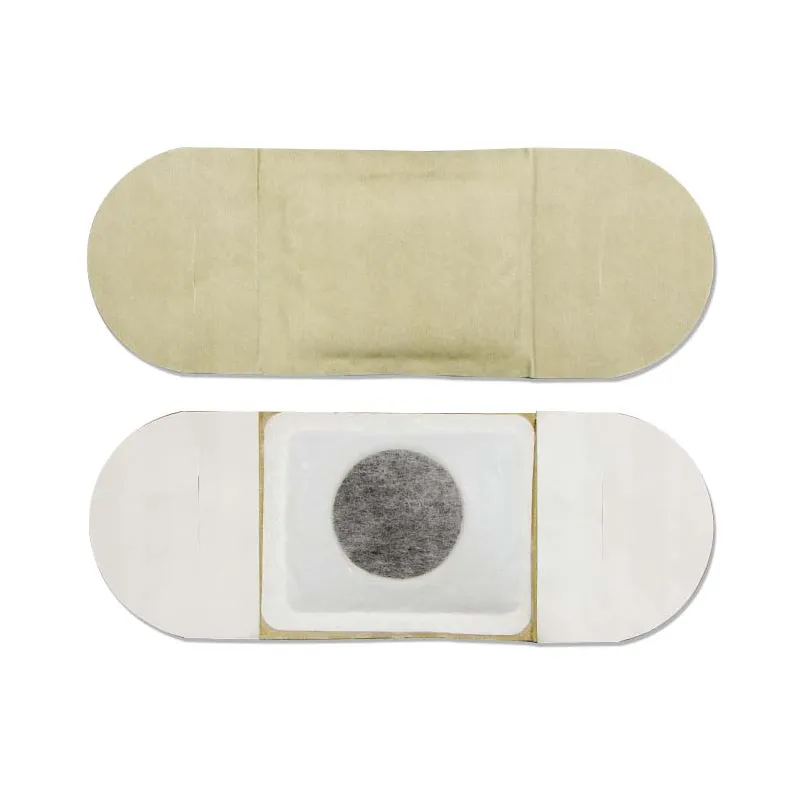
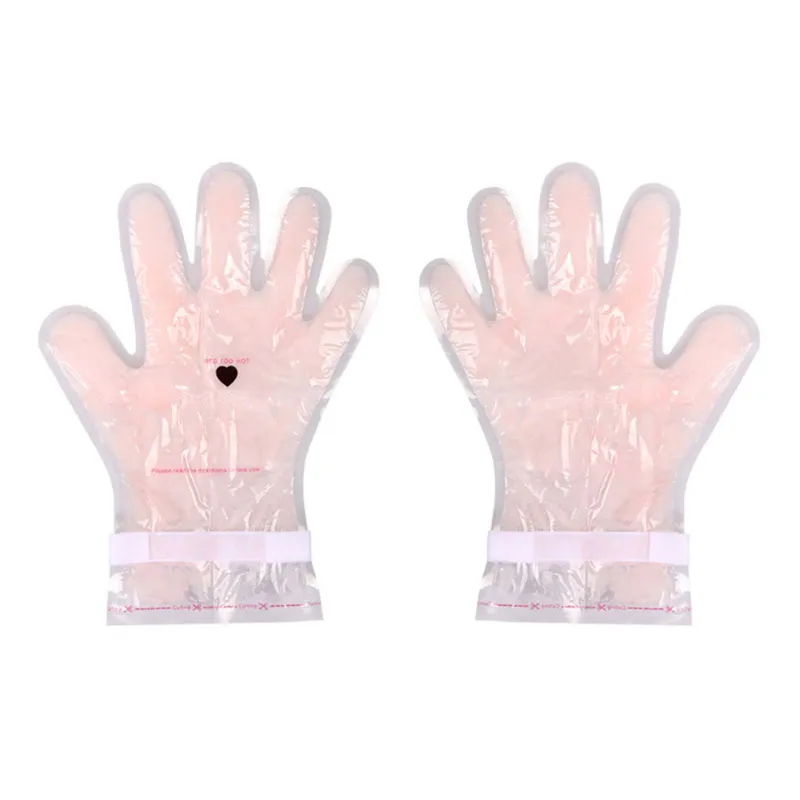
An iron powder heat pack is a disposable, air-activated warming product. Common formats include hand warmers, body warmers, foot warmers, menstrual heat patches and specially shaped warmers for the waist, knee, shoulder or neck.
Before use, the heat-generating mixture is sealed inside an airtight outer pouch. Once the consumer opens the pouch, oxygen reaches the iron powder through a breathable inner bag. The oxidation process begins gradually and releases heat.
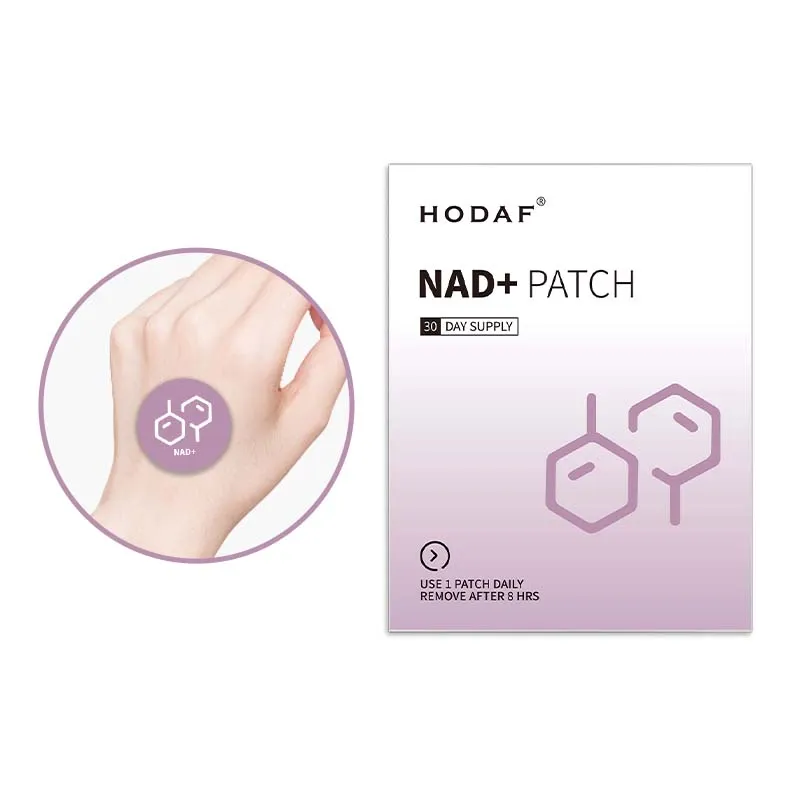
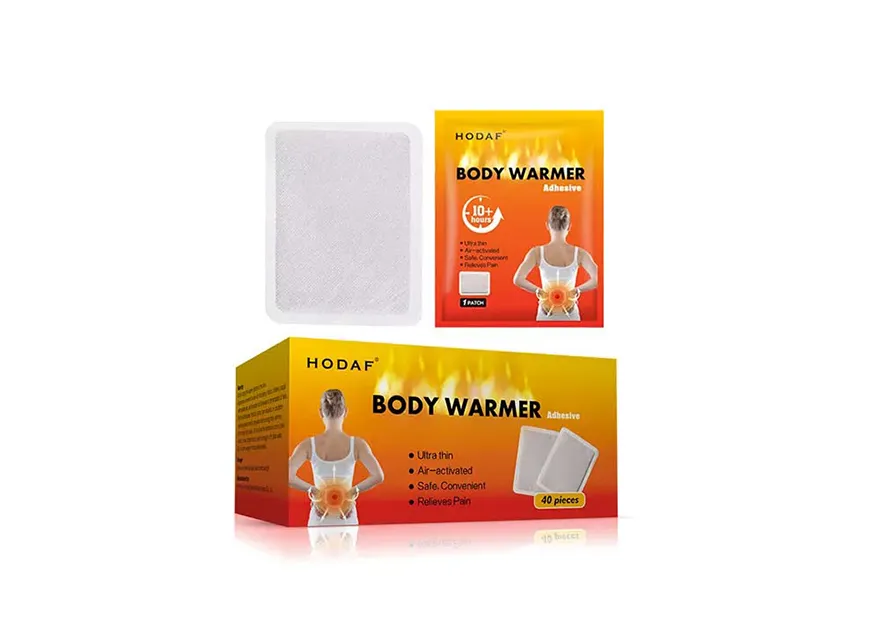
The HODAF self-heating product range can be customized by shape, weight, heating duration, operating temperature and packaging format for different retail and private-label applications.
How Does an Air-Activated Heat Pack Work?
A Controlled Iron-Oxygen Reaction
Iron naturally reacts with oxygen to form iron oxide. In ordinary conditions, this process may occur slowly as rusting. Inside a disposable heat pack, finely divided iron powder provides a much larger surface area, allowing the reaction to proceed more quickly.
Salt, water, activated carbon and moisture-retaining materials help create suitable reaction conditions. The inner fabric controls how much oxygen reaches the mixture, while the sealed outer pouch prevents the reaction from starting during storage.
The American Chemical Society uses disposable hand warmers as an example of an exothermic chemical reaction. It explains that the outer package keeps air away from the iron powder until the consumer opens it.
A detailed overview from Chemical & Engineering News also describes how disposable hand warmers use the chemistry of iron oxidation to produce portable heat.
Main Ingredients in an Iron Powder Heat Pack
Each material in the heating mixture performs a different function. Changing one component can influence warm-up speed, peak temperature, heat distribution or total heating time.
Iron Powder
Iron is the primary heat-generating material. Its purity, particle size, porosity and exposed surface area influence how quickly and consistently it reacts with oxygen.
Water
Water creates the moisture conditions needed for the oxidation process. Too little moisture may slow activation, while excessive moisture can affect flowability and mixture stability.
Salt
Salt acts as an electrolyte and helps accelerate the electrochemical stages of iron oxidation. The amount must be controlled to avoid an excessively fast reaction.
Activated Carbon
Activated carbon supports gas contact and heat distribution within the mixture. Its porous structure can help the heat pack warm more uniformly.
Vermiculite
Vermiculite helps retain moisture, maintain spacing between particles and reduce rapid heat loss. Other mineral or cellulose-based fillers may also be used.
Breathable Fabric
Although it is not part of the powder mixture, the breathable inner material is one of the main temperature-control components because it regulates oxygen entry.
Why Iron Powder Quality Matters
Two heat packs with the same total weight can perform differently when their iron powders have different purity levels, particle structures or oxidation activity.
HODAF states that its self-heating products use reduced iron powder with a purity above 98% to support faster activation, stable heat output and consistent heating duration. More information is available on the HODAF heat pack materials page .
| Evaluation Factor | General-Purpose Iron Powder | High-Purity Reduced Iron Powder |
|---|---|---|
| Purity | May contain more variable impurities | Produced to achieve a higher and more controlled iron content |
| Particle structure | May be relatively dense or irregular | Often porous with a larger reactive surface area |
| Reaction consistency | May vary between sources and batches | More suitable for controlled, repeatable heat-pack formulations |
| Heating performance | Requires careful formulation and verification | Can support faster activation and a more stable heat curve |
| Purchasing priority | Price and basic specification | Purity, particle size, porosity, activity and batch consistency |
Iron Powder Heat Pack Manufacturing Process
A typical heat pack production line includes formulation design, raw-material inspection, controlled blending, filling, sealing and thermal-performance testing.
Define the Heat Curve
Development begins with the required warm-up time, average temperature, maximum temperature, heating duration, product size and application method.
A pocket hand warmer may require a different airflow rate and heat curve from an adhesive body warmer or foot warmer.
Inspect Incoming Materials
Iron powder, activated carbon, salt, vermiculite, water, nonwoven fabric and barrier packaging should be checked against approved specifications.
Important indicators may include purity, particle size, moisture, bulk density, appearance and supplier batch documentation.
Prepare the Heating Mixture
Dry materials are measured according to the approved formula and blended until the mixture is uniform. Water and electrolyte solution are then added under controlled conditions.
Mixing time and sequence matter because uneven distribution can produce hot spots or inconsistent activation.
Control Moisture and Air Exposure
Production areas must limit unnecessary exposure to oxygen and uncontrolled humidity. Premature oxidation can reduce the amount of usable heating capacity remaining when the product reaches the consumer.
Fill the Breathable Inner Pack
Automated filling equipment places a controlled quantity of the heating mixture into each inner bag. Accurate fill weight supports consistent temperature and duration across the production batch.
Seal the Inner Material
The breathable nonwoven material is sealed around the mixture. Seal width, pressure and temperature must prevent powder leakage without blocking the intended airflow path.
Package in an Oxygen-Barrier Pouch
The finished inner pack is immediately placed inside an airtight pouch. This packaging stage is critical because oxygen leakage can activate the product before use and shorten its shelf life.
Test and Release the Batch
Samples are activated under defined conditions to record warm-up time, temperature development, maximum temperature and total heating duration.
Products that meet the approved specification can proceed to retail-box packing and shipment.
How Manufacturers Control Temperature and Heating Duration
The performance of an air-activated heat pack is often described by its heat curve: the relationship between temperature and time from opening through activation, stable warming and final cooling.
Factors That Affect Temperature
Iron-powder purity and particle size
Iron-to-water and iron-to-salt ratio
Activated-carbon content
Breathable-film pore size and density
Total surface area exposed to air
Ambient temperature and airflow
Factors That Affect Duration
Total quantity of reactive iron
Rate of oxygen entry
Moisture retention within the mixture
Insulation provided by fillers and fabrics
Shape and thickness of the pack
Whether the product is used in a pocket, shoe or open air
Increasing oxygen flow may help a heat pack warm faster, but it can also consume the iron more quickly and shorten the total heating period. Restricting oxygen may extend duration but can result in slow activation or insufficient warmth.
Manufacturers must therefore balance airflow, formula weight and material structure rather than attempting to maximize only one performance indicator.
Temperature Control Is Also a Safety Requirement
A heat pack should be designed and labeled for its intended application. Products intended for pockets, clothing or footwear may use different structures from products designed with a skin-facing layer.
Users should follow the printed instructions, avoid using a damaged or leaking pack and remove the product if it feels excessively hot. Special caution is appropriate for people with reduced heat sensitivity or impaired circulation.
Heat Pack Quality Control and OEM Buyer Checklist
Raw Material and Production Tests
Iron-powder purity and particle-size verification
Moisture and bulk-density inspection
Heating-mixture uniformity
Individual fill-weight accuracy
Inner-bag dimensions and seal condition
Powder-leakage inspection
Finished Product Tests
Activation and warm-up time
Average and maximum temperature
Total effective heating duration
Temperature uniformity
Outer-pouch seal integrity
Accelerated and real-time shelf-life evaluation
Packaging quality is particularly important. A heat pack with a suitable formula may still fail if the outer pouch allows gradual oxygen transmission during storage.
Buyers should request thermal-performance data based on defined test conditions. Temperature results can change with room temperature, air movement, clothing layers and the position in which the warmer is tested.
Information to Include in an OEM Heat Pack Inquiry
Target application area
Required patch dimensions
Adhesive or non-adhesive design
Target warm-up time
Target average temperature
Maximum temperature limit
Required heating duration
Destination countries
Retail packaging quantity
Private-label design requirements
Estimated order volume
Required testing documents
HODAF supplies custom heat packs in different shapes, temperatures and heating durations. Available formats include body warmers, hand warmers, foot warmers and targeted warmer patches for different application areas.
Buyers can also review HODAF Heat Pack: The Source of Warmth from a Professional Heat Pack Manufacturer for an overview of the company's product range and OEM production capabilities.
Frequently Asked Questions
Why does an iron powder heat pack need an airtight outer pouch?
The outer pouch prevents oxygen from reaching the iron mixture during storage. If air enters before use, oxidation may begin early and reduce the heat pack's available heating capacity.
Why do some heat packs warm faster than others?
Warm-up speed depends on iron-powder activity, particle size, moisture, salt concentration, fill weight and the amount of oxygen entering through the breathable material.
What controls how long a heat pack stays warm?
Heating duration is mainly controlled by the quantity of reactive material and the rate at which oxygen reaches it. Slower oxygen entry can extend the reaction, while faster airflow may produce quicker but shorter heating.
Can heat pack temperature and duration be customized?
Yes. A manufacturer can adjust the formula weight, iron-powder specification, breathable material, product dimensions and packaging structure to develop a different heat curve. Custom specifications should be confirmed through sample testing.
How should buyers compare iron powder heat pack manufacturers?
Buyers should compare raw-material controls, heat-curve data, fill-weight consistency, package-seal testing, shelf-life verification, production capacity and support for custom shapes and private-label packaging.
Can a disposable heat pack be reused?
No. Once the available iron has reacted with oxygen, the exothermic process cannot be restarted. Disposable air-activated heat packs are designed for single use.
Final Thoughts
Iron powder heat pack manufacturing is a controlled chemical and packaging process. Stable performance depends on the interaction between the iron mixture, breathable inner material and oxygen-barrier outer pouch.
For private-label buyers, the most useful specification is not simply the amount of iron powder. A complete product brief should define warm-up time, average temperature, maximum temperature, duration, application method, pack dimensions and package structure.
Develop a Custom Iron Powder Heat Pack
HODAF provides OEM and ODM support for hand warmers, body warmers, foot warmers and specially shaped self-heating patches. Product weight, heat curve, fabric, adhesive structure and retail packaging can be developed according to your market requirements.
Request Samples and OEM Pricing